
TL;DR:
- Regular plumbing inspections help detect hidden leaks and deterioration before they cause costly damage.
- Scheduling inspections based on home age and recent events ensures system safety and maintains property value.
A plumbing inspection is a comprehensive professional evaluation of a home's water supply lines, drainage system, fixtures, and safety components that detects hidden leaks, deterioration, and risks before they cause damage. Understanding why plumbing inspections are needed is the first step toward protecting your property and avoiding costly emergency repairs. The EPA reports that the average household leaks 10,000 gallons of water annually. That figure represents real money leaving your wallet and real damage accumulating inside your walls. Routine plumbing evaluations, the industry's standard term for scheduled preventive plumbing assessments, give homeowners and property managers the information they need to act before small problems become expensive disasters.
Why plumbing inspections are needed: hidden problems that cost you
The most dangerous plumbing problems are the ones you cannot see. Small leaks behind walls or under floors cause structural damage and mold long before any visible sign appears. By the time you notice a water stain on the ceiling, the damage has already been spreading for weeks or months.
A professional plumbing inspection catches these issues at the source. The problems most commonly found during evaluations include:
- Hidden leaks in supply lines, joints, and drain connections that waste water and rot framing
- Corroded pipes made from galvanized steel or polybutylene, both of which degrade from the inside out
- Faulty shut-off valves that fail to close during emergencies, turning a minor fix into a flood
- Water heater pressure relief valve failures, which are a direct safety hazard if left undetected
- Low water pressure caused by mineral buildup, partial blockages, or supply line damage
- Drainage problems including slow drains, root intrusion, and deteriorating sewer lines
Each of these issues shares one trait: they worsen silently. Inspections check for leaks, corrosion, faulty valves, and drainage issues that typically go unnoticed until a costly emergency forces the issue. Catching a corroded pipe joint during an inspection costs a fraction of what a burst pipe and subsequent mold remediation will run.
Pro Tip: If you notice a sudden spike in your water bill without a change in usage, schedule a plumbing evaluation immediately. Unexplained increases almost always point to a hidden leak.
How often should you schedule a plumbing inspection?
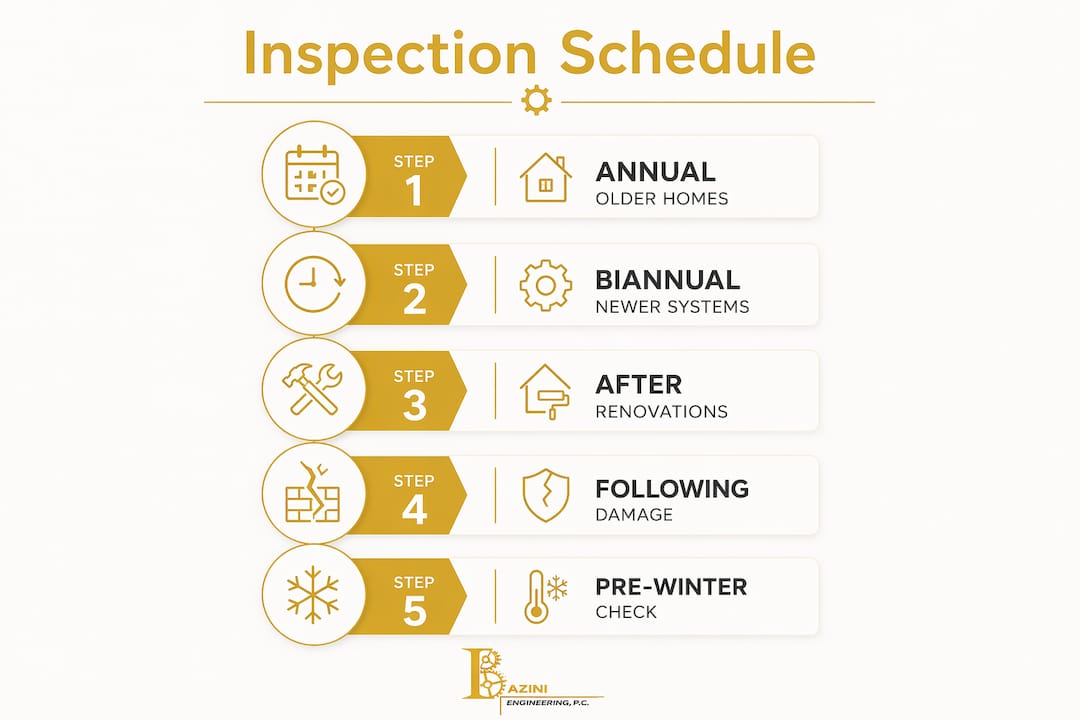
Inspection frequency depends on your home's age, system type, and recent history. Older homes require annual plumbing inspections to monitor aging infrastructure, while newer homes with no specific issues can extend to every two years. That difference matters because older pipes, fixtures, and connections carry a higher failure risk simply from years of use and material degradation.
| Home type | Recommended interval | Key reason |
|---|---|---|
| Older home (30+ years) | Annually | Aging pipes, galvanized steel, outdated fixtures |
| Mid-age home (15–30 years) | Every 1–2 years | Mixed materials, possible prior repairs |
| Newer home (under 15 years) | Every 2 years | Lower risk, but valves and heaters still age |
| Post-renovation or storm damage | Immediately | Disrupted lines, shifted connections |
| Recurring clogs or pressure drops | Immediately | Active symptom of a developing problem |
Beyond age, certain events should trigger an unscheduled inspection. After a major renovation, contractors sometimes disturb supply or drain lines without realizing it. After severe weather, ground movement can shift buried pipes. Recurring clogs or sudden pressure drops are active symptoms, not minor inconveniences.
Regular inspections improve budgeting predictability by moving maintenance from reactive to predictive. Property managers especially benefit from this shift. Knowing the condition of a building's plumbing system lets you plan repairs on your schedule, not a plumber's emergency call rate.
Pro Tip: Schedule your annual inspection in the fall before winter temperatures stress your pipes. Catching a weak joint or a slow drain before freezing conditions arrive prevents the worst-case scenario.
What does a professional plumbing inspection include?
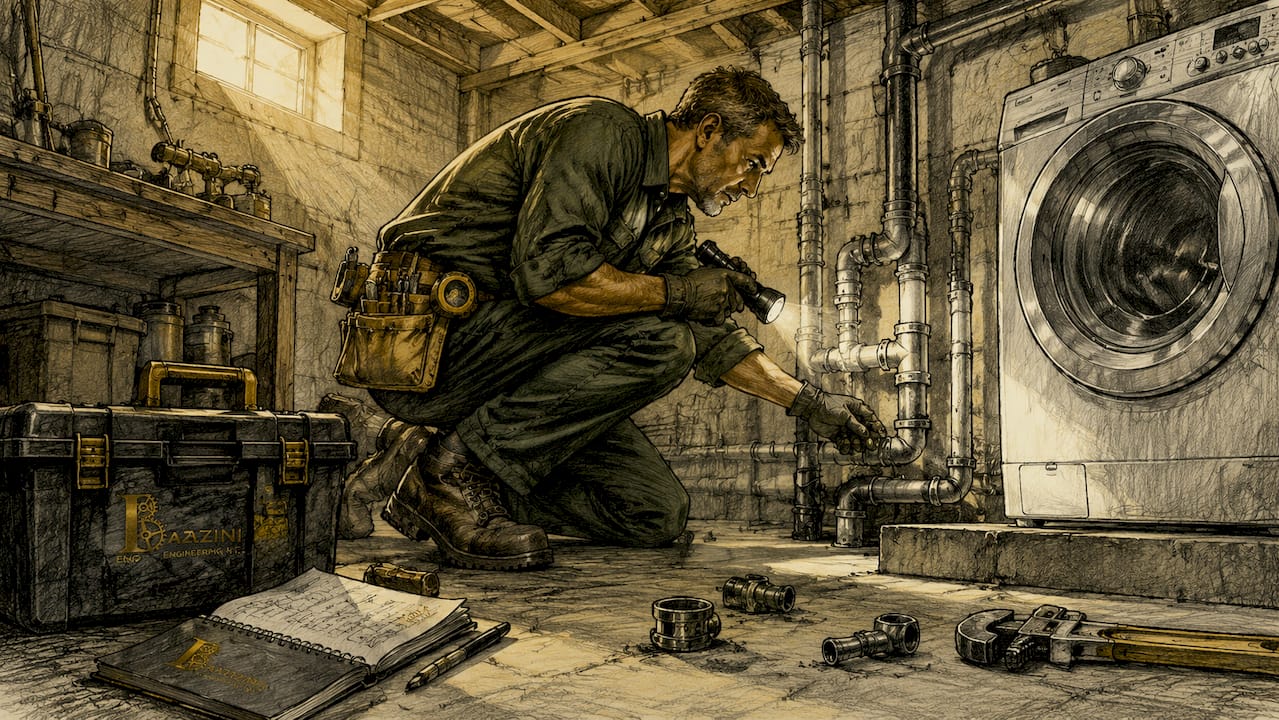
A professional plumbing inspection covers far more ground than a standard service call. A comprehensive inspection reviews water supply lines, fixtures, drains, the water heater, shut-off valves, and visible pipes, and may extend to a sewer line camera inspection when needed. Knowing what to expect during a plumbing inspection helps you prepare and get the most from the visit.
A qualified inspector works through the system in a structured sequence:
- Water supply line assessment — checking pressure, checking for visible corrosion, and testing flow rates at multiple fixtures
- Fixture evaluation — inspecting faucets, toilets, showers, and supply connections for leaks, wear, and proper function
- Drain and waste system review — testing drainage speed, checking for partial blockages, and looking for signs of root intrusion
- Water heater inspection — verifying the pressure relief valve, checking the anode rod condition, and assessing the unit's age and efficiency
- Shut-off valve testing — confirming that main and branch shut-offs operate correctly, which is critical during emergencies
- Sewer camera inspection — deployed when drainage symptoms suggest deeper issues like collapsed lines or significant root growth
A standard home inspection only covers visible plumbing features, while a specialized plumbing inspection identifies deeper issues like pipe corrosion or failing valves. That distinction is critical for homeowners buying a property or managing a building with aging infrastructure. A general home inspector is not trained or equipped to assess internal pipe condition or test safety components under operating pressure.
Malfunctioning water heater pressure relief valves pose major safety risks that inspections detect before hazardous failures occur. This single component check alone justifies the cost of a professional evaluation.
What are the key benefits of regular plumbing inspections?
The benefits of regular plumbing checks extend well beyond avoiding a flooded basement. They touch your finances, your property's value, your water quality, and your peace of mind.
- Cost savings — inspection costs are far less than repairs after undetected failures. Fixing a corroded joint during a scheduled visit costs a few hundred dollars. Replacing water-damaged flooring, drywall, and cabinetry after a burst pipe costs thousands.
- Water conservation — the EPA's figure of one trillion gallons lost nationally each year from household leaks shows the scale of the problem. Fixing even a single dripping faucet or running toilet reduces your bill and your environmental footprint.
- Extended system lifespan — proactive maintenance reduces lifetime plumbing expenditures by avoiding catastrophic failures that force full system replacements ahead of schedule.
- Improved water quality — corroded pipes leach metals into your water supply. Inspections catch deteriorating pipe materials before they affect what comes out of your tap.
- Property value and transaction readiness — buyers and their agents increasingly request plumbing inspection reports. A documented clean inspection history removes a major negotiating obstacle.
"Annual plumbing inspections provide peace of mind by ensuring safety-critical components function properly and identifying liabilities before they impact safety or value."
Annual inspections ensure safety-critical components function properly and identify liabilities before they affect safety or property value. For property managers overseeing multiple units, that liability protection is not optional. A documented inspection program demonstrates due diligence and reduces exposure to tenant complaints and insurance claims.
The case for treating inspections as routine, not reactive
Plumbing inspections are most valuable when they are boring. The best outcome of a professional evaluation is a clean report with minor notes. That outcome means your system is healthy, your risks are low, and your budget is protected for another year.
What I see repeatedly in practice is the opposite pattern. Homeowners and property managers wait for a visible problem before calling anyone. By that point, the leak has been running for months, the mold has started, and the repair bill reflects the delay. The inspection that would have caught the issue early costs a fraction of the emergency response.
Proactive maintenance changes reactive costly repairs into manageable predictable budgets. That shift is not just financial. It changes how you relate to your property. You stop reacting and start managing.
The other mistake I see is relying on a general home inspection to cover plumbing health. A general inspector walks through visible conditions. They are not checking valve function under pressure or assessing internal pipe corrosion. Those gaps are exactly where the expensive surprises hide.
My recommendation is straightforward: schedule a dedicated plumbing evaluation on a fixed annual or biannual calendar date, treat it like a non-negotiable maintenance item, and work with a licensed professional who covers the full system, not just the fixtures you can see.
— Joseph
Baziniengineering's plumbing engineering services
Baziniengineering brings licensed MEP engineering expertise to residential and commercial plumbing evaluations across New York City, Long Island, and Westchester County.

The firm's plumbing engineering services cover full system assessments, code compliance reviews, and design support for both new construction and existing buildings. Whether you manage a single-family home or a multi-unit property, Baziniengineering delivers evaluations grounded in NYC Department of Buildings standards and practical field experience. Reach out to schedule a professional plumbing assessment and get a clear picture of your system's condition before a small issue becomes a costly repair.
Key takeaways
Regular plumbing inspections are the most cost-effective way to prevent water damage, protect property value, and maintain system safety across any property type.
| Point | Details |
|---|---|
| Hidden leaks are the biggest risk | Leaks behind walls cause mold and structural damage long before they become visible. |
| Inspection frequency depends on home age | Older homes need annual evaluations; newer homes can extend to every two years. |
| Specialized inspections go deeper | A dedicated plumbing inspection covers valves, corrosion, and sewer lines that general home inspections miss. |
| Prevention costs far less than repair | Inspection fees are a fraction of the cost of emergency repairs from undetected failures. |
| Safety components need regular checks | Pressure relief valves and shut-off valves must be tested to prevent hazardous failures. |
FAQ
Why are plumbing inspections needed for older homes?
Older homes use materials like galvanized steel and polybutylene that corrode from the inside out. Annual inspections catch deterioration before pipes fail and cause water damage or mold.
How much water can a household lose to undetected leaks?
The EPA reports that the average household loses about 10,000 gallons of water annually to leaks. Most of that loss comes from hidden drips and running toilets that a plumbing inspection identifies and resolves.
What is the difference between a home inspection and a plumbing inspection?
A standard home inspection covers only visible plumbing features, while a specialized plumbing inspection tests valves under pressure, checks internal pipe condition, and may include a sewer camera review.
How do plumbing inspections save money?
Inspections catch minor leaks, corrosion, and failing components before they escalate into emergencies. Repair costs at the early stage are consistently lower than the combined cost of water damage, mold remediation, and emergency service rates.
When should a homeowner schedule an unplanned plumbing evaluation?
Schedule an immediate evaluation after a major renovation, severe weather event, recurring drain clogs, or a sudden unexplained drop in water pressure. These are active warning signs of a developing problem.