Hire a Registered Design Professional the moment your boiler replacement changes combined input capacity, switches fuel type, or alters the venting or piping configuration. If the new unit matches the old one on capacity, fuel, and location, a licensed registrant may proceed under Limited Boiler Work allowances without a full RDP submittal. Everything else needs stamped construction documents filed through DOB NOW: Build.
The dividing line matters because the wrong path costs weeks. An undersized filing gets bounced at intake; an over-engineered one burns budget on documents nobody required.
- RDP required: combined input exceeds 600kBTU/h (triggers commissioning), fuel conversion (oil to gas), relocation, or any change to controls and piping serving other systems.
- Registrant-eligible: direct swap, same fuel, same capacity band, no structural or venting changes.
- Always check Local Law 97 exposure first if the building is covered. A boiler swap that looks routine can shift your emissions reporting path.
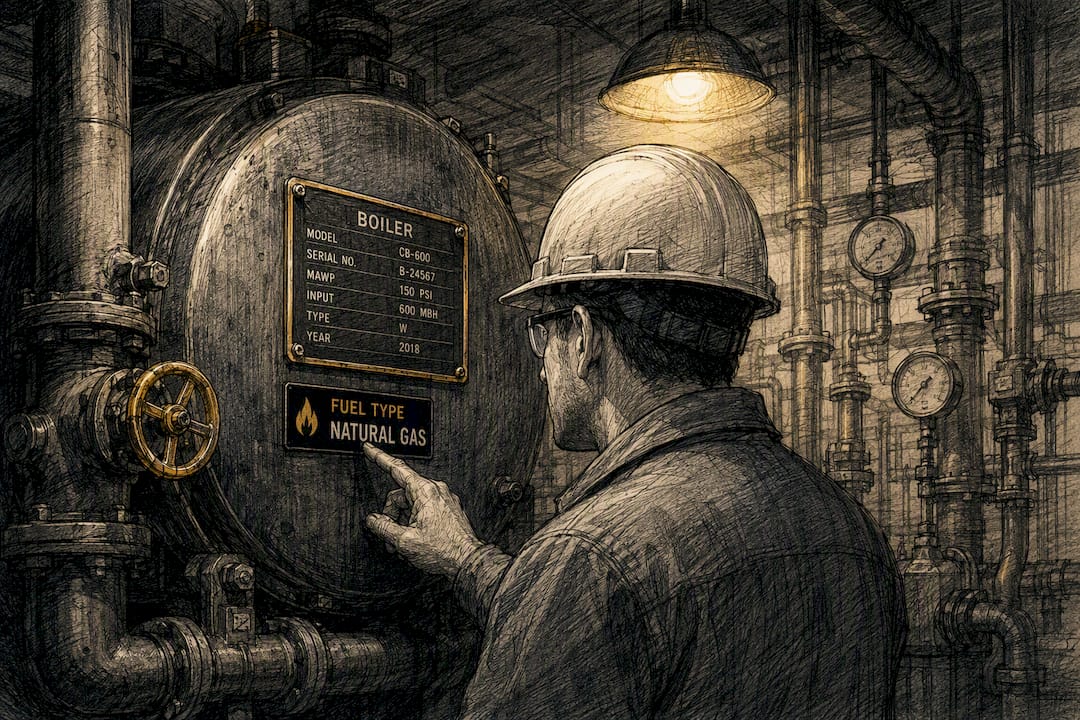
Start by pulling the existing boiler's data plate, prior permits, and any Local Law 87 or 97 filings before you call an engineer.
Key Takeaways
A boiler replacement in NYC requires an RDP filing whenever capacity, fuel type, or system layout changes, and registrant work only when the swap is truly like-for-like.
| Point | Details |
|---|---|
| Confirm RDP trigger first | Capacity increase, fuel conversion, or relocation means an RDP must submit plans; a true swap may qualify for registrant work. |
| Gather records before design | Nameplate data, fuel-oil tank history, and as-built drawings speed up scoping and cut PAA risk. |
| Watch the 600kBTU/h line | Combined input above this threshold triggers mandatory commissioning under DOB's checklist. |
| Coordinate disciplines early | Structural, electrical, and plumbing conflicts caught before filing avoid costly Post Approval Amendments. |
| Bring in Bazini Engineering early | Bazini Engineering scopes mechanical and plumbing design, commissioning coordination, and DOB filing support before submittal. |
Table of Contents
- Boiler Replacement NYC: Pre-Design Checklist Before You File
- What Construction Documents Does DOB Require for Boiler Filings?
- When Do You Need an RDP Versus a Licensed Registrant?
- When Does a Boiler Replacement Trigger Commissioning or LL97 Review?
- Why Do Boiler Permits Get Delayed in NYC?
- How Do You Choose the Right MEP/FP Engineer for a Boiler Replacement?
- What Happens at Boiler Replacement Closeout in NYC?
- Sources
Boiler Replacement NYC: Pre-Design Checklist Before You File
An engineer scoping a boiler replacement in NYC needs paperwork before drawings. Gather this before your first design meeting and you cut weeks off the schedule.
- Nameplate data: boiler serial numbers, combined input BTU rating, fuel type, and UL or ETL approval numbers.
- System documentation: piping riser diagrams, control wiring schematics, and any existing energy management sequences.
- Fuel-oil tank records: tank age, construction, spill history, and whether FDNY or NYSDEC petroleum bulk storage rules apply to your site.
- As-built drawings: prior mechanical filings, equipment schedules, inspection logs, and maintenance history from the current service contractor.
- Interface points: structural loading for new equipment, electrical service capacity, plumbing tie-ins, and fire suppression clearances.
Pro Tip: Photograph the boiler room from four corners plus the ceiling before demolition starts. Half the design questions that stall a filing come from missing dimensional context an engineer can't get once the old unit is gone.
What Construction Documents Does DOB Require for Boiler Filings?
DOB reviewers expect a standard sheet set, and intake staff know exactly what's missing when it isn't there. Build your filing around this sequence rather than improvising sheet numbers.
- T-001 (Title Sheet): scope of work, code references, applicable Building Code sections, and project team credentials.
- A-100/A-201: floor plans showing the mechanical room, egress paths, and equipment placement relative to combustible materials.
- M-101 (Mechanical Plan): boiler location, breeching, venting routes, and combustion air provisions.
- M-201 (Mechanical Details): piping risers, valve schedules, control diagrams, and appliance approval numbers.
- EN-001 (Energy Analysis): required whenever piping, controls, or envelope penetrations are part of the scope, per DOB's project checklist.
Commissioning deliverables, when triggered, get referenced on EN-001 and confirmed at final inspection, not bolted on afterward.
When Do You Need an RDP Versus a Licensed Registrant?
DOB draws a clear line between limited registrant work and RDP-stamped filings, and it hinges on whether the new boiler changes anything beyond a straight swap.
- Licensed registrants (Licensed Master Plumber for gas-fired units, Licensed Oil Burner Installer for oil-fired systems) can self-certify replacement work within defined thresholds, matching existing capacity, fuel, and location.
- An RDP must submit plans for capacity increases, fuel conversions, relocations, or any scope touching structural, electrical, or fire protection systems.
- Filing happens through DOB NOW: Build, where PW1 and PW2 forms capture equipment details and OP49 documents boiler removal.
- Intake checks verify licensed trade information, equipment cut sheets, and whether the declared scope matches the permit type requested.
Getting this classification wrong at the outset is the single fastest way to lose a filing slot.
When Does a Boiler Replacement Trigger Commissioning or LL97 Review?
Commissioning becomes mandatory once combined input exceeds 600,000 BTU per hour, a threshold that catches most multifamily and commercial buildings above a modest size. Energy analysis kicks in separately whenever the scope touches piping carrying heated fluid, replaces controls, or penetrates the building envelope, even below that BTU line.
If your building falls under Local Law 97, a boiler swap is rarely just a swap. Fuel conversion or efficiency upgrades can shift your annual emissions reporting, and the RDP certifying that report needs documentation tying the new equipment to your compliance plan.
- Model commissioning and energy-analysis triggers during pre-design, not after DOB pushes back.
- Check NYC Accelerator's retrofit guidance and NYSERDA incentive pathways before locking equipment selection.
- Preserve tune-up reports, work orders, and inspection records; incentive claims and LL97 audits both ask for them later.
Statistic Callout: Combined input above 600,000 BTU/h is the exact figure DOB uses to require commissioning on a boiler filing. Design teams that model this early avoid rework on energy documentation after plans are already submitted.
Why Do Boiler Permits Get Delayed in NYC?
Post Approval Amendments eat more schedule time than almost anything else on a boiler project, and the causes repeat across nearly every job.
- Scope creep: swapping a "like-for-like" replacement for a higher-capacity unit mid-construction.
- Undisclosed fuel tanks: a buried or abandoned tank surfaces during demolition with no prior disclosure.
- Poor discipline coordination: electrical service can't support the new unit, or structural framing wasn't verified for equipment weight.
- Location changes: relocating the boiler room after filing, which retriggers egress and clearance review.
A realistic timeline runs site survey, then filing, then plan review, then permit issuance, then construction and inspections, then as-built closeout. Each phase can stall independently.
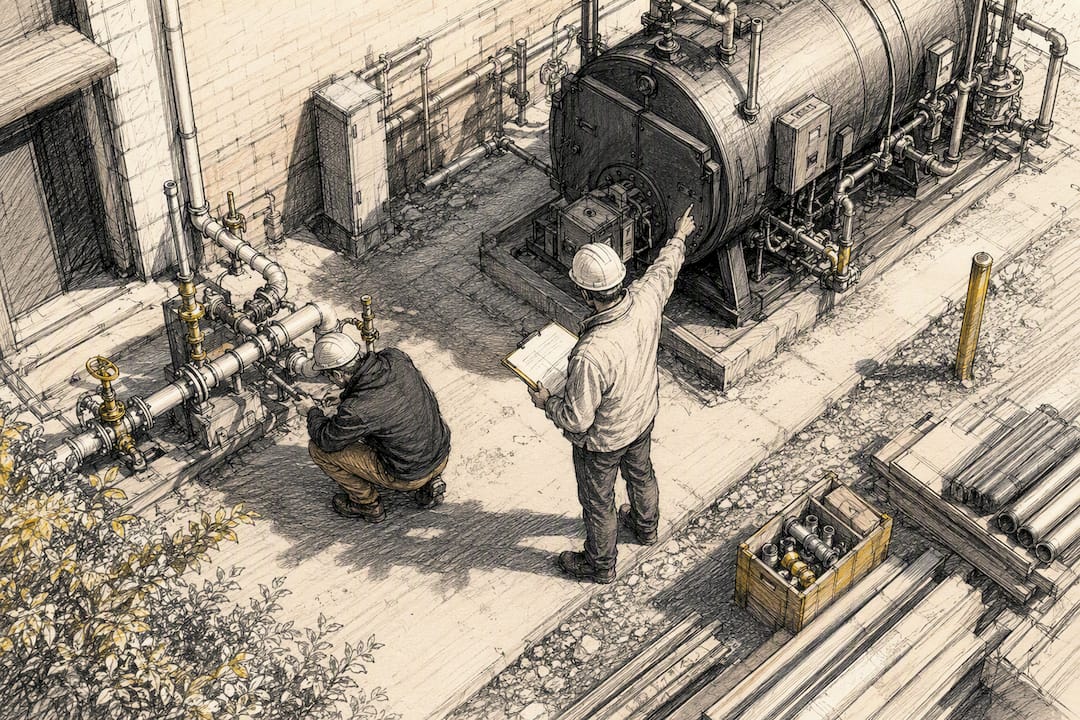
Pro Tip: Run a pre-filing site scan with your engineer and MEP trades in the room together. Coordination meetings before drawings are finalized cost an afternoon; PAAs cost weeks.
How Do You Choose the Right MEP/FP Engineer for a Boiler Replacement?
The firm you hire should show NYC licensure, a track record of DOB filings that actually get approved, and real commissioning coordination experience, not just design work on paper.
- Ask how many boiler filings they've closed with DOB in the past two years.
- Ask what their PAA rate looks like and what they do differently to avoid it.
- Ask whether they handle permit expediting directly or hand it off to a third party.
- Confirm they'll deliver a defined sheet set, commissioning coordination (when triggered), and LL97 documentation support as part of the engagement.
Pro Tip: Ask for one filing they've handled on a similar building type and fuel scenario. A firm that can walk you through a real PAA they avoided tells you more than any credentials list.
What Happens at Boiler Replacement Closeout in NYC?
Closeout means satisfying DOB inspections, any Special or Progress Inspections your filing required, and, where applicable, FDNY sign-off on fuel systems.
- Final inspection: DOB confirms the installed equipment matches the approved filing.
- As-built submission: commissioning reports, inspection agency sign-offs, and any deviation documentation get filed to close the permit.
- Retention plan: keep maintenance logs, tune-up records, and certification paperwork indefinitely. LL97 audits and future permit work both reach back for this history.
Treat the as-built package as the foundation for your next filing, not paperwork to file away.
An Engineer's View on Avoiding Permit Delays
The projects that move fastest through DOB aren't the simplest ones. They're the ones where structural, electrical, and mechanical teams sat down together before a single sheet was drawn, catching a load-bearing conflict that would have forced a PAA six weeks later....
— Joseph
Engineering Support for Your Boiler Replacement Project
Bazini Engineering is the firm you bring in before you file, not after DOB sends back a rejection. For boiler replacement work across New York City, that means mechanical engineering scoped specifically to your combined input capacity, fuel type, and commissioning triggers, plus plumbing engineering support for fuel piping and venting where those systems intersect.
The firm has coordinated permit expediting and DOB NOW filings for boiler projects across commercial, residential, and institutional buildings, and works directly with property managers and contractors who need construction documents that pass intake the first time. When fuel-oil storage or FDNY notification is part of the scope, fire suppression engineering coordination gets built into the same filing package instead of handled separately.
To start, reach out through Bazini Engineering's services page with your boiler's nameplate data, fuel type, and photos of the mechanical room. That's enough for an initial scope conversation before any design work begins.